

Did you know that Alzheimer’s & dementia can begin to form in your brain as early as your 30s but not detected until old age— when it’s too late?
Don’t let this happen to you.
You can lower your risk by upgrading your mindset and habits.
Aging is a disease that begins in your 20s. It’s not just sun damage and wrinkles— but attacked cells, mutating DNA, and accelerating cellular breakdown.
You can’t slow it down with conventional bandaids: anti-aging creams, and Botox, but we can slow it with wisdom.
No matter your age, it’s never too late to start but always too late to wait.
Social media is filled with older people defying conventions. They are sick of society reminding them that they are old. They are rewriting the rules of aging. Some are so fit they put most young people to shame!
Reminder: We’re ALL going to get old.
Society forgets that older people still have the same dreams, emotions, needs, and desires as everyone else. Let’s update the narrative.
We are all going to be old one day. And we’re living longer and working longer than ever. That means it’ll benefit all of us to age gracefully and in good health. Who wants to suffer in old age? Not me.
My young frenz: one day, YOU’RE going to be old. Stop thinking 30 is old— your brain isn’t even developed yet in your 20s.
Older People: Do NOT let society remind you that you’re old.
Aging is a mindset. If you think you’re old, you’ll age faster because you’ll embody the habits of an older person.
Why We Age: The Comfort Crisis
People age faster because they take shortcuts and always look for the ‘easy way.’
We live in an age of unprecedented comfort.
Our lives have been engineered to minimize physical exertion.
From motorized transportation to getting groceries delivered to our door with a press of a button, our lives have been engineered to minimize physical exertion. Not to mention sitting in our climate-controlled homes, which keeps us weak as we stare at blue screens all day and night.
The result? A population grappling with a silent epidemic: the undermuscled, overweight individual.
Our modern world has conspired against our bodies. We sit more, move less, and consume more processed foods than ever before. This toxic trifecta has created a perfect storm for physical decline.
We’ve traded our ancestral hunter-gatherer bodies for desk-bound, couch-potato physiques.
The allure of convenience has become a gilded cage. We’ve prioritized efficiency over effort and comfort over challenge. And our bodies are paying the price.
We’ve forgotten the fundamental truth: movement is medicine.
Our bodies are designed for action, not inaction.
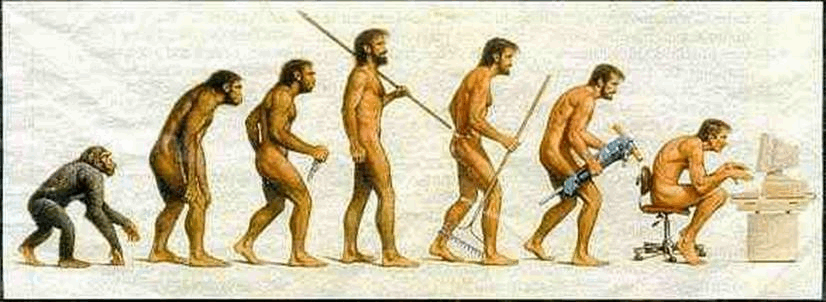
This pursuit of comfort comes with a devastating cost.
We’ve been conditioned to accept physical decline as an inevitable consequence of aging. But what if we told you it doesn’t have to be this way?
You’ve been lied to.
The health advice you’ve been fed is a carefully crafted illusion designed to keep you average. It’s a system that profits from your mediocrity, not your optimization.
Old, frail people are making businesses rich.
The senior care industry was worth USD 1,703.03 billion in 2022 and is estimated to reach up to USD 2,882.66 billion by 2030. That’s a lot of money to profit from old, sick people.
It doesn’t have to be this way.
The cornerstone of this transformation?
Muscle.
You’re Not Fat— Just Under-Muscled
Dr. Gabrielle Lyon, the current reigning queen of musculoskeletal science, claims that muscle is a currency for longevity.
Muscle is not just about looking good; it’s about living better.
Muscle is the fortress that shields your body from the ravages of time. It’s the engine that powers you through life’s challenges. It’s the key to unlocking longevity beyond your wildest dreams.
The loss of lean skeletal muscle is more dangerous than the impact of obesity because of the metabolic implications and survivability. This is a paradigm shift in the conversation of muscle mass and fat gain.
Yet, “The System” wants you to be weak. They want you dependent on pills, procedures, and processed foods.
They want you to believe that aging is a downhill battle, a slow decline into frailty.
We’re here to shatter that illusion.
We’re here to tell you that average is where dreams go to die.
Let’s stop settling for a life of limitations and embrace a future of extraordinary health.
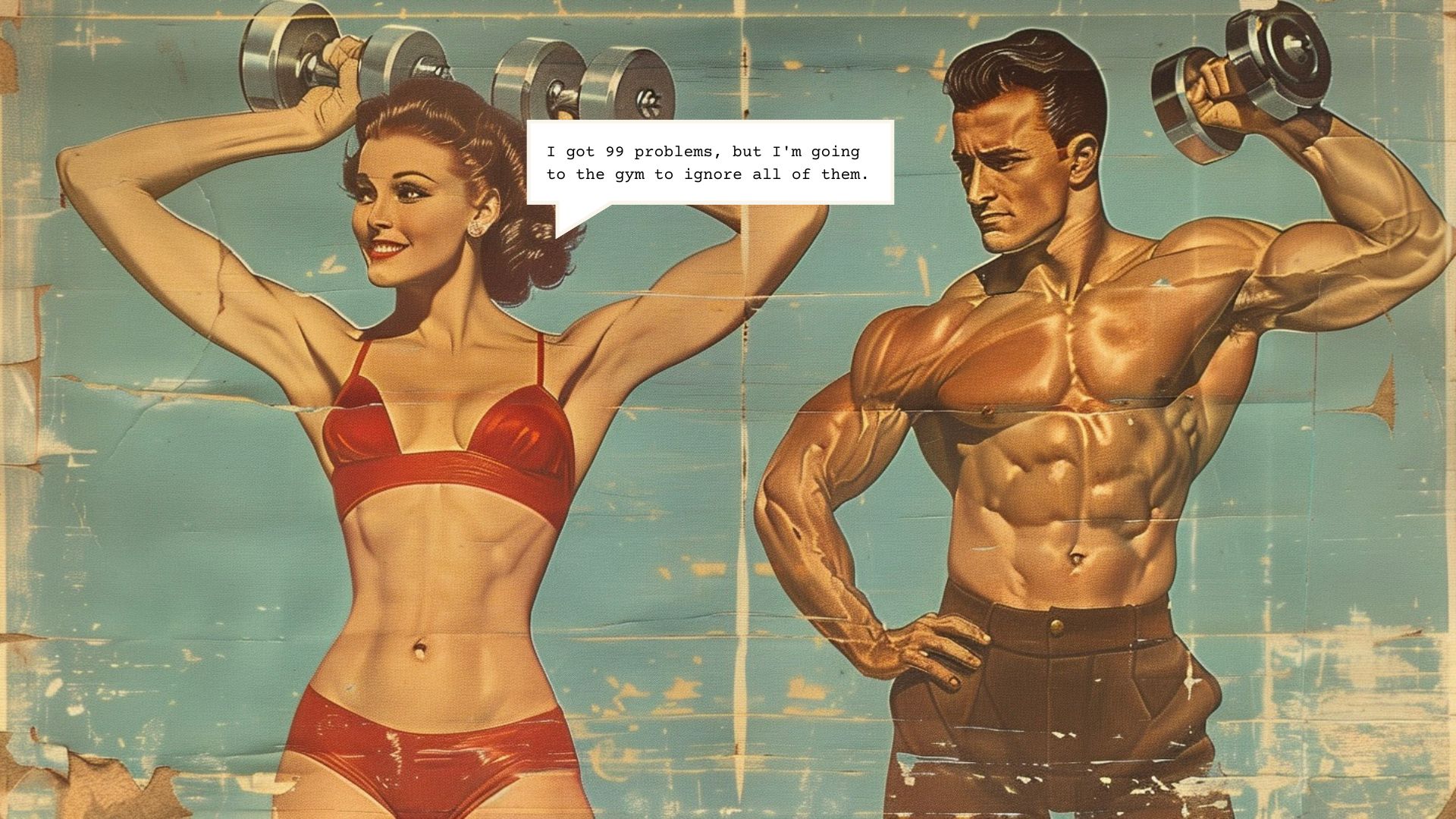
8 Reasons Why Muscle Rocks
1. Makes Life Easier
Muscles give you the power to lift heavy things and the stamina to keep going. Imagine carrying groceries, climbing stairs, or lifting your suitcase into the overhead bin without strong muscles— it would be tough! Building muscle makes everyday tasks easier and helps you enjoy activities like hiking, dancing, or playing sports without getting tired as quickly.
2. Feel Better
Muscles make you happier. Exercising releases feel-good chemicals called endorphins, which reduce stress and anxiety, making you feel happier and more relaxed. Achieving fitness goals boosts confidence and looks and improves overall mental well-being. It’s like strength training for your mind and body.
3. Look Better
Muscle makes you sexier. It increases lean mass, reduces fat, and is denser than fat, so you’ll look more toned and defined even if your weight stays the same. It boosts your metabolism, helping you burn more calories at rest and shed excess fat. This makes you look better naked, with a more sculpted and attractive physique.
4. Become A Fat-Burning Machine
Muscle is your body’s fat-burning furnace by increasing metabolism. Mitochondria are tiny powerhouses in your cells that break down fat for energy. The more muscle you have, the more efficiently your body burns fat and burns more calories at rest.
5. Improved Insulin Sensitivity
Increasing muscle mass helps the body use insulin more effectively. Muscles are like sponges, absorbing glucose from the bloodstream in response to insulin. As you gain more muscle, your body becomes better at handling glucose, leading to improved insulin sensitivity. This helps prevent blood sugar spikes, supports weight management, and reduces your risk of chronic diseases.
Poor insulin sensitivity (insulin resistance) is an epidemic and can lead to serious health problems like type 2 diabetes, heart disease, and obesity.
6. Get Sick Less Often
Muscle is your body’s defense squad and boots your immune system. It helps your immune system stay strong. Think of your muscles as a shield that protects you from getting sick. With more muscle, your body is better equipped to fight germs and viruses. It’s like having a larger army to defend your body.
7. Protects Your Bones & Organs
Muscle is your body’s natural armor. It builds strong bones by putting stress on them during activities like lifting weights or running. Stronger bones mean a reduced risk of fractures and osteoporosis, and your muscles also protect your vital organs from injury.
8. Reduced Risk of Chronic Diseases
Muscles are your body’s secret weapon against disease. They help control blood sugar levels, lower your risk of diabetes, and keep your heart healthy. Plus, muscle burns more calories than fat, helping you maintain a healthy weight and preventing heart disease, stroke, and some types of cancer.
Why We Are Under-Muscled & Obese
A Culture of Decline & Mediocrity
Our society has quietly accepted a standard of physical decline that is nothing short of tragic. We’ve normalized a culture where muscle atrophy and weight gain are seen as inevitable consequences of aging. It’s as if we’ve collectively resigned ourselves to a life of diminishing returns.
People believe that physical appearance becomes less important as we age, so they stop caring for themselves.
We meticulously work out and take care of ourselves when we are young, but our attention to self-care diminishes as we age because we have “settled” into marriages and parenthood— or just given up because, let’s not deny it, adulting is hard.
What a dangerous mindset.
Our bodies are not disposable items to be neglected until they break down. They’re complex machines that require constant maintenance and optimization, like a luxury car engine.
We must challenge this narrative and redefine what it means to age gracefully.
Don’t build muscle for vanity or perfection but to optimize your human potential.
A body that heals faster, thinks clearer, and energizes you.
You can build a body that’s not just strong but resilient.
A body that laughs in the face of age-related decline.
Did you know our bodies are made to heal themselves?
It’s a remarkable feat of biology— a testament to the human body’s resilience.
Our bodies can repair and regenerate from a paper cut to a broken bone. But this innate healing power isn’t limitless. It requires the right conditions to thrive.
One of the most critical factors in optimal healing is muscle mass.
Muscle tissue is far more than just aesthetics; it’s a metabolic powerhouse. It plays a pivotal role in protein synthesis, hormone regulation, immune function, and glucose absorption– all of which are essential for repair and recovery.
When we lose muscle mass, as many of us do with age or sedentary lifestyles, our body’s healing capacity diminishes. Wounds take longer to heal, bones become more fragile, and overall recovery time increases.
Muscles form the foundation upon which our body’s healing process is built.
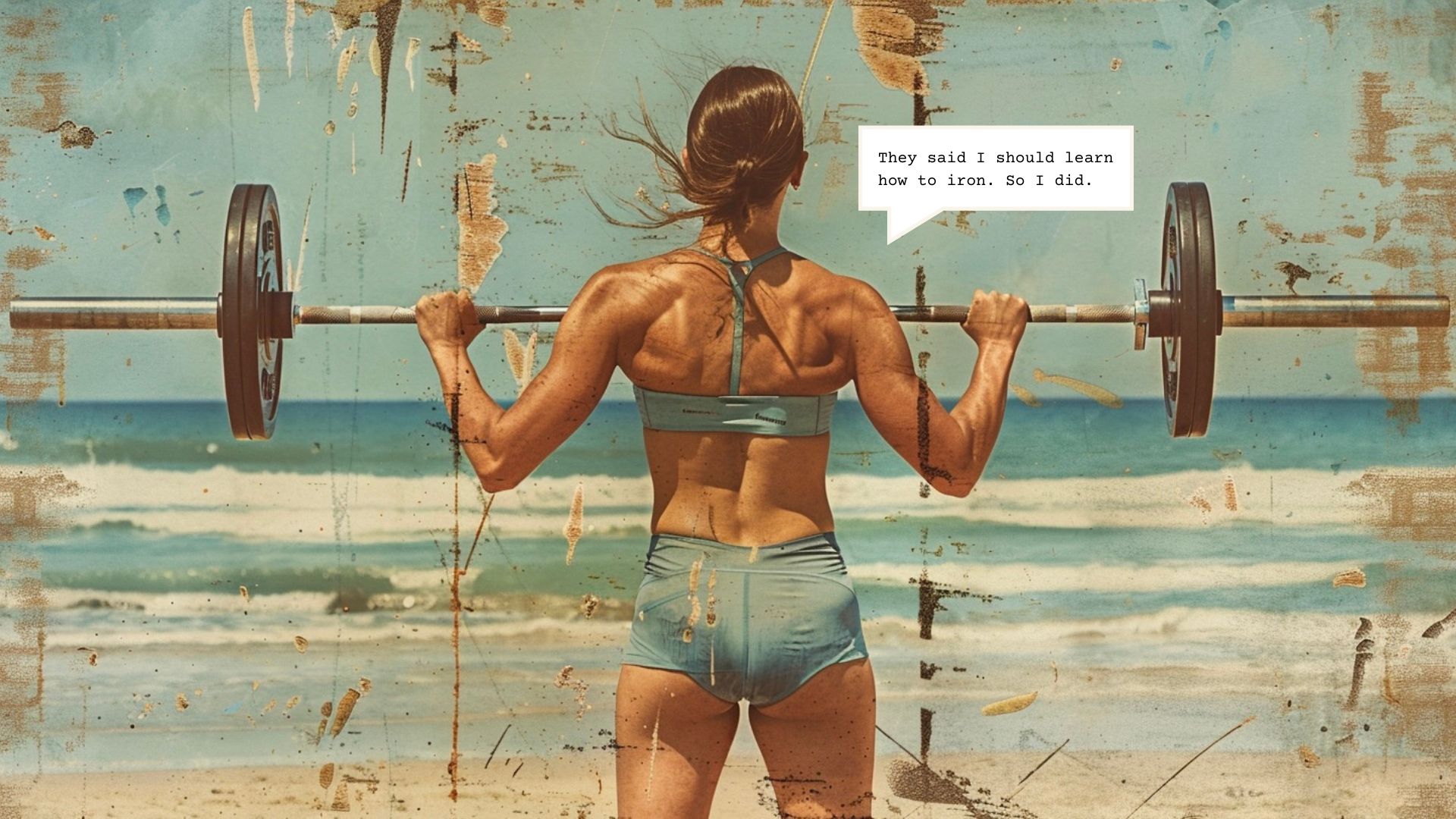
Why Muscle Is Even More Important For Women
Ladies, listen up! Let’s shatter misconceptions. Women need protein, not just salads.
The more muscle you have, the greater your body’s ability to stay in homeostasis or balance—especially important as our bodies, which operate on a 28-day moon cycle, try to thrive in a 24-hour circadian society. We need all the help we can get!
Strong muscles equal stronger bones, which is especially important for women at higher risk of osteoporosis. Muscles also help regulate hormones, particularly during menopause, when bone loss accelerates. Plus, they prevent injuries, improve posture, and boost energy levels.
Women often shy away from weights, fearing bulk. This is a myth.
No, darling, the layer of FAT over your muscles makes you bulky.
Listening to conventional wisdom is killing us!
Female bodies aren’t built to pack on massive muscle like men. Strength training actually sculpts, tones, and makes you look good.
Your quality of life will improve when your body is strong enough to do everyday stuff in your already overwhelming lives.
What about the countless hard-working women with good intentions who juggling careers, children, and household responsibilities? Exhausted and overwhelmed, they prioritize others over their own needs, sacrificing sleep, nutrition, and lifting weights for family’s sake.
Who will take care of you when you get sick?
Ironically, the same people you’re sacrificing to care for now. We must remember that prioritizing our health isn’t selfish; it’s a form of self-care. An investment. Prevention.
You can’t pour from an empty cup.
Learn to slay the LONG game.
👇🏼
Preventing Sarcopenia For Longevity: Muscle Loss Is The Silent Epidemic
Sarcopenia is not just a medical term; it’s a crisis. The loss of muscle mass as we age is a silent epidemic, quietly stealing our independence and vitality— a ticking time bomb, ready to explode with devastating consequences.
Bad news: sarcopenic obesity, the loss of skeletal muscle mass, begins in your 30s.
The numbers don’t lie. Studies show that after age 30, we begin to lose muscle mass at a rate of 3-8% per decade. In our 70s, this loss can be as much as 30%. These statistics are alarming but also a wake-up call.
The more muscle you lose, the higher your chances of getting sick, breaking bones, and even dying. It’s like a snowball effect— the less you move, the weaker you get, and the harder it is to get back up.
That’s why a broken hip can be life-threatening for many older people.
Muscle is the foundation of life.
The fracture is a serious injury, but losing the ability to get up again and move due to a lack of strength in muscles is often what causes death.
According to a 2015 report from the American Society for Bone and Mineral Research, people with sarcopenia have a 2.3 times greater risk of experiencing a low-trauma fracture from a fall, such as a broken hip, collarbone, leg, arm, or wrist.
Our bodies need movement to stay alive.
Prolonged bed rest following a broken hip can lead to rapid muscle atrophy and trigger a cascade of negative effects as the body begins to shut down:
- Weakened immune system.
- Decreased bone density.
- Rapid muscle loss.
- Heart problems.
- Mental decline.
- Death.
The science is clear: movement is life.
Muscle is the key to preserving independence, vitality, and longevity. Prioritizing muscle health enhances our quality of life and significantly increases our chances of thriving well into old age.
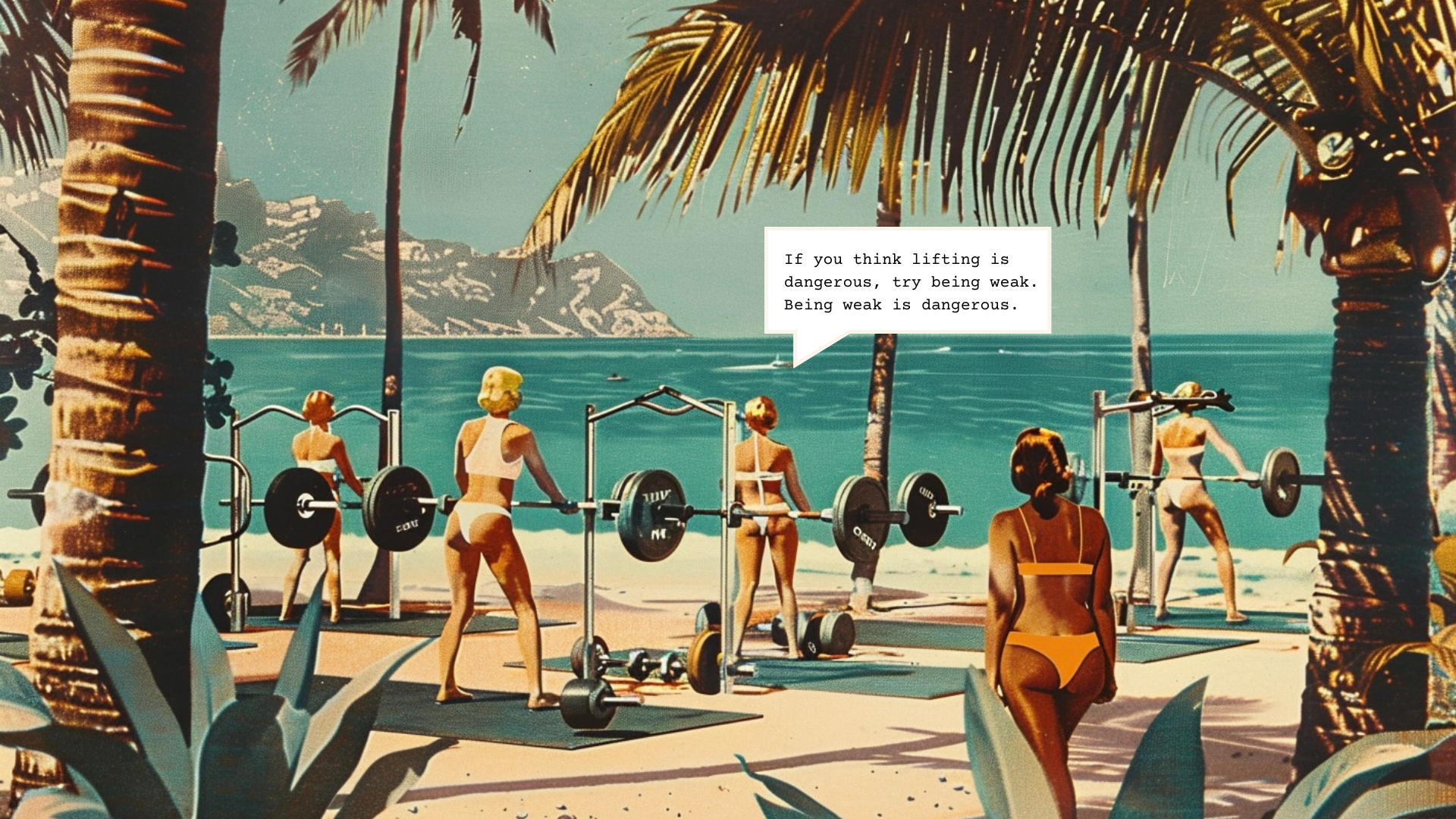
11 Unconventional Ways to Build Muscle for Longevity
It does not take much to build and maintain muscle: the standard advice all over the internet is resistance, training, progressive, overload, consistency, rest, and dialing in your nutrition and sleep.
Here are some not-so-average advice to help you stay in the game:
👇🏼
1. Begin Early To Mitigate The Mid-Life Muscle Crisis
Your twenties are your golden ticket to lifelong strength.
By incorporating lifting heavy things into your routine early on, you’re not just building muscle; you’re future-proofing your body.
Leveraging the power of neuroplasticity, the brain’s ability to rewire itself, your brain forms strong neural connections associated with lifting weights, making it a habitual and effortless part of your life, like brushing your teeth.
This means that when you reach middle age and beyond, muscle loss accelerates, and this becomes deeply ingrained.
Imagine waking up in your 60s with the strength and vitality of someone decades younger. It’s entirely possible when you prioritize muscle building from a young age. Not only will you stave off age-related decline, but you’ll also enjoy a higher quality of life, increased energy levels, and improved mental clarity.
📽️ Watch this TedTalk by Dr Gabrille Lyon — The Midlife Muscle Crisis: Why We've Gotten Obesity All Wrong
Not a young buck anymore? No worries, read on. 👇🏼
2. Exercise Snacks
Exercise snacks are brief, intense bursts of activity spread throughout the day.
It doesn’t take much. As little as three times, 1-3 minutes each, can have a big impact on health— in fact, studies show it’s linked to a 40% reduction in all-cause mortality, even in people who identify as non-exercisers.
- Squats
- Push-ups
- Sprinting up stairs
These are also great for breaking up sedentary periods
A recent study found that performing 10 bodyweight squats every 45 minutes during an 8.5-hour period of sitting improves blood sugar regulation better than a single 30-minute walk. I think we can all do that!
What’s your excuse?
Or better yet, how bad do you want it?
3. Reframe Exercise
We often perceive exercise as a chore or a luxury, but it’s fundamentally a tool for improving your ability to navigate the world around you. Consider these everyday tasks:
- Carrying groceries: Farmer’s walks, where you carry heavy weights, imitate this.
- Lifting luggage: Overhead presses build the strength needed to effortlessly lift heavy bags into overhead compartments.
- Climbing stairs: Leg strength and endurance are essential for going up stairs easily and confidently.
- Rising from a chair: Squats mimic the motion of getting up from a seated position, improving lower body strength and balance.
- Gardening: Shoveling, digging, and carrying heavy plants require core strength, upper body power, and lower body stability.
- Playing with grandchildren: Chasing, lifting, and carrying children demands strength, endurance, and agility.
4. Embrace Nature’s Gym: Outdoor Fitness
Leverage your natural environment for resistance training. Use hills, rocks, and your body weight for dynamic workouts.
You’re also killing two birds with one stone because Nature Therapy is the real deal. Research has shown that spending time in nature has profound effects on mental and physical health. Trees and plants also emit phytoncides, compounds with antimicrobial properties that strengthen your immune system and relieve stress.
It’s a win-win: a stronger body and a calmer mind.
📽️ Watch this learn how to build muscle: Optimal Protocols to Build Strength & Grow Muscles (Dr. Andy Galpin x Huberman Lab)
5. Prioritize Protein
Ensure adequate protein intake to support muscle growth and repair.
While the current dietary landscape often emphasizes high-carb diets, especially with the rise of veganism, we must understand that protein is the fundamental building block of muscle tissue— and the quality of amino acids matters.
It’s also not about the protein itself but the amino acid quality in your protein source.
For example, to get the amount of amino acid needed equal to one small chicken breast, you’d need to eat 6 cups of quinoa, over 1000 calories, and hundreds of grams of carbohydrates. 🧐 That sounds metabolically devastating.
Animal-based proteins provide high-quality essential amino acids and nutrients that are more easily digestible and stimulate muscle protein synthesis more effectively than plant-based proteins, especially for aging individuals or those with gut issues.
I’m not sure about you, but I’d prioritize high-quality amino acid sources if I wanted to optimize for longevity. Dr. Gabrielle Lyon, a trained geriatrician, has been disrupting the protein argument and thinks pushing plant-based diets for aging individuals is dangerous.
📽️ Pro-tip: Increase your protein intake if you are not lifting as much as you should. Our next article will cover this. Stay tuned!
6. Optimize Nutrient Timing
Focus on timing your macronutrient intake to maximize muscle growth. Consider incorporating strategic fat and carbohydrate consumption alongside protein.
Dr. Lyon recommends optimizing dietary protein intake by aiming for at least 30 grams of protein in each meal, with the first and last meals containing at least 50 grams of protein.
Sounds scary? Don’t worry; it gets easy with practice.
📌 Click here to go to my Instagram for ideas on high-protein meals.
💬 YouTube comments are gold for anecdotal evidence. Check out this comment on this video:

@irenepalmer7597: What they are saying is true. As a 69-year-old woman, I fell straight on my back on a hard bucket years ago, still in my 60s, and most people would not have survived the fall without being in a wheelchair. My doctors say it’s a miracle. I was raised by European parents who taught us to eat meat and all kinds of things that they don’t eat here. I attribute that bone structure to the eating of protein, which is an important part of the meal. My granddaughter recently fell lightly on her wrist and broke it. Her parents have had her eat vegan for much of her life, and she is nine now. I’ve told my daughter for a while that your children need protein. They are also sick all the time and catch everything. I have learned much from this doctor about protein, and even though I’m older and do not feel like eating it sometimes, I’ll make sure that I do because I know it’s good for me.
7. Hydrate With Electrolytes
Dehydration can significantly impair strength, endurance, and cognitive function, while imbalances in electrolytes like sodium, potassium, and magnesium disrupt nerve and muscle function.
It is crucial to consume adequate water with electrolytes throughout the day, especially before, during, and after workouts. Incorporating electrolyte-rich foods or beverages can also be beneficial.
Pay attention to signs of dehydration, such as thirst, dry mouth, fatigue, and decreased urine output. By prioritizing hydration and electrolyte balance, you can enhance your workout performance, speed up recovery, and build more muscle.
🛒 My favorite brand is LMNT Zero Sugar Electrolytes. Click here to buy!
8. Stress Management: Calm Your Body
When chronically stressed, the body prioritizes survival mechanisms over muscle building. The stress hormone cortisol, elevated during prolonged stress, can interfere with testosterone, a key hormone for muscle growth. Stress also contributes to poor sleep, another critical factor in muscle recovery.
Implement stress-reduction techniques like meditation, deep breathing, or spending time in nature. Chronic stress can hinder muscle growth.
📚 Click here to learn about how your nervous system affects stress.
9. Intermittent Fasting: Optimize Hormone Levels
Intermittent fasting (IF) is an eating pattern that cycles between periods of fasting and eating. While it’s primarily known for weight loss, it can also benefit muscle growth.
- Hormonal benefits: IF can increase human growth hormone (HGH) levels, a key player in muscle growth and repair. It can also improve insulin sensitivity, allowing for better glucose uptake by muscles.
- Potential for muscle growth: While IF can lead to weight loss, it doesn’t necessarily mean muscle loss. Studies have shown that IF can preserve or even increase lean muscle mass when combined with resistance training.
It’s crucial to note that IF is not a magic bullet. Adequate protein intake, consistent strength training, and sufficient sleep remain essential for muscle growth. Consult with your doctor or dietician before beginning a new diet.
10. Active Recovery: When Magic Happens
Incorporate low-impact activities like swimming, yoga, or walking on rest days to aid recovery and prevent injuries.
Active vs. Passive Recovery
- Passive recovery: Complete rest, such as sleeping or sitting.
- Active recovery: Light physical activity, such as walking, swimming, or yoga.
While passive recovery has its place, research suggests that active recovery is generally more beneficial for overall recovery and performance.
💡 Pro tip: Learn more about the difference between active and passive recovery and the “no grey zones” method.
11. Find a Workout Buddy: Accountability and Motivation
Partner with a friend for workouts to increase motivation, accountability, and enjoyment.
Research has consistently shown the positive impact of social support on exercise adherence— individuals with strong social support networks were likelier to engage in regular physical activity.
Remember: you’re the average of your environment. If you want to get fit and healthy, surround yourself with people who share your goals.
Bonus: Tips For Beginners
We all started somewhere!
For better results, consistency in lifting weights twice weekly is more important than increasing frequency. Beginners should focus on perfecting their technique, gradually increase weight and sets over time, and expect body composition changes within a few months of consistent weightlifting.
Sets of 5 to 10 reps are ideal for beginners to learn technique, build muscle and strength, minimize injury risk, and build bone mass and joint connective tissue.
Start with one set of exercises at the gym, focusing on whole-body training twice a week with a weight that is challenging but not too heavy to avoid excessive soreness.
Statistically, it’s difficult to predict how quickly someone will see visible changes in their body from weightlifting, but it takes about 3 to 6 months to see significant results.
Resistance training is recommended. It should focus on hypertrophy and strength, paired with compound movements and a full range of motion.
📽️ Here are some great videos to watch to get you started:

→ Optimal Protocols to Build Strength & Grow Muscles (Dr. Andy Galpin x Huberman Labs)

→ How to gain muscle and strength if you're untrained and out of shape (Peter Attia x Andy Galpin)

→ Is Skeletal Muscle the Secret to Lifelong Health? (Dr. Mike Israetel x Dr. Gabrielle Lyon
🫶🏻 Ladies: For women with significant problems, it is important to work with a qualified physician and consider factors such as nutrition, menstrual cycle, and birth control.
Up Next: How To Protein Properly
In the next article, we will explore protein, the building blocks of your body, and the secret to big, strong muscles for a long, happy, healthy life. 💪🏼 Stay tuned!
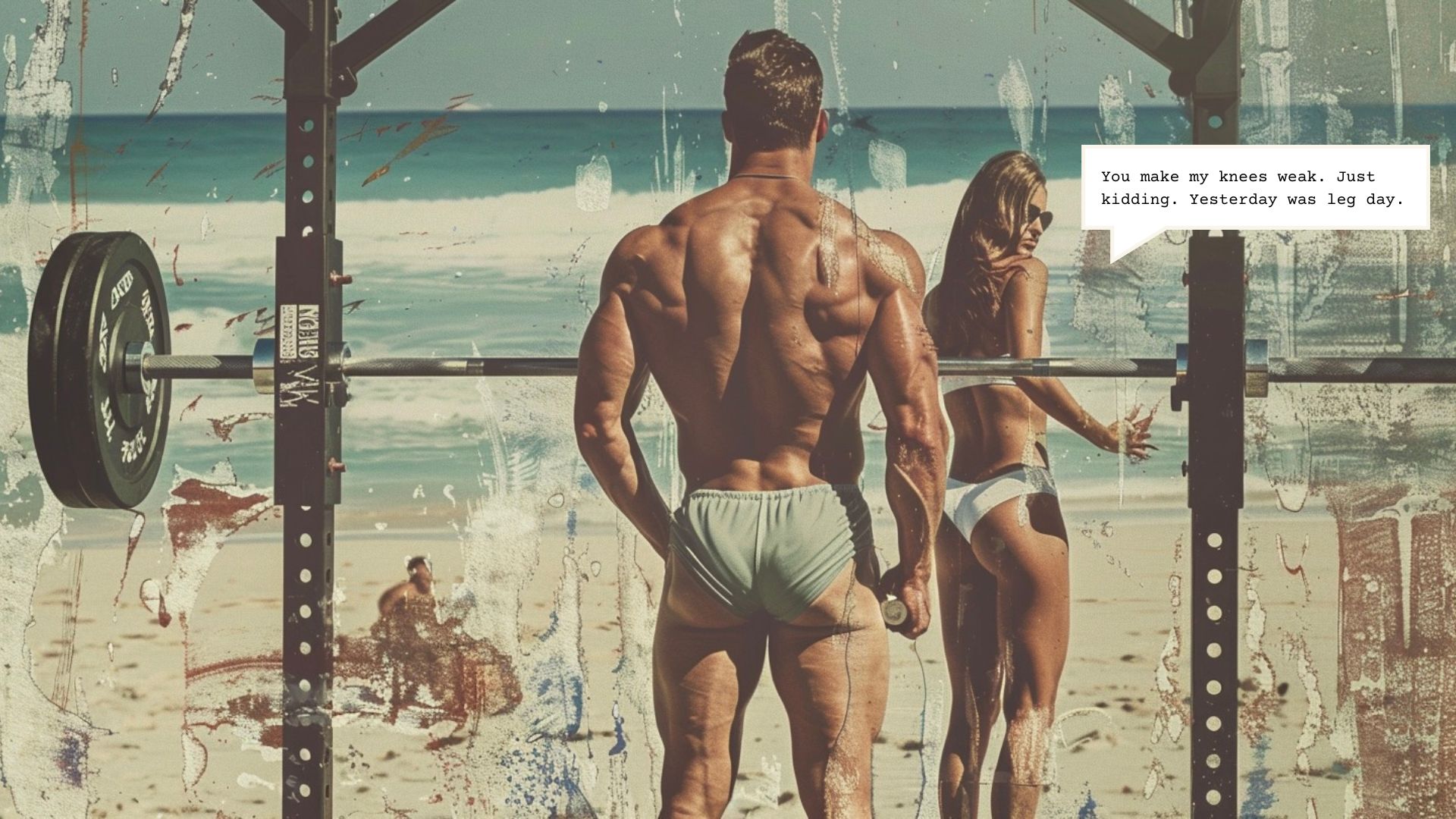
“You make my knees weak. Just kidding. Yesterday was leg day.“
