
Want to eliminate food cravings, snacking, and late-night binging forever? This is how I did it.
📌 Today, you will learn:
→ The Benefits of Protein
→ The Flawed RDA
→ How Much Protein Do You Really Need?
→ Why Meat Became Demonize
→ The Great Food Deception: Betrayed By Cereal
→ A Deep Dive Into Protein
But first…
I have a lot of beef with this state of our healthcare system after I healed my body from years of chronic pain, bloating, and anxiety because I was naive and followed the “rules.”
Here are examples of epic lies you’ve been told:
❌ Meat & eggs are bad for you!
❌ Fat is bad, and carbs are good.
❌ There is only one way to do things.
❌ Veganism is the best diet for longevity.
You should be angry, too.
Our current system is designed to prevent us from thinking for ourselves and asking questions. We’re conditioned to stay confused, complacent, and stupid. This is how they control you— turning you into overweight, under-muscled worker ants.
To break out of the matrix and take back control, you must understand the system.
Healthcare’s obsession with averages is a prime example.
The system focuses on preventing disease rather than optimizing health. Blood pressure, cholesterol, and blood sugar levels are all measured against arbitrary “normal” ranges, which are often little more than the point at which symptoms start to manifest.
This means that countless people are living within the boundaries of disease-free but far from optimal health.
To truly flourish, we must challenge norms, defy limitations, and seek extraordinary results.
In our previous article, we talked about muscle being the currency for longevity.
Think of your body as a high-performance machine; muscle is the engine that keeps you running smoothly and powerfully.
To fuel this engine and optimize its performance, you need a steady supply of premium fuel: protein.
What Are Proteins?
Proteins are the fundamental building blocks of life—a vital nutrient essential for the structure and function of every cell in the body. All proteins are composed of amino acids linked together in various lengths to perform various functions. Proteins play a role in forming body structures such as skin, muscle, and bone; they also facilitate the transmission of signals within the body and make up genetic material such as DNA, which instructs the body’s cells on how to function throughout life.
Protein and amino acids are the foundation upon which our bodies are built and maintained. They are involved in virtually every aspect of human physiology.
The Role of Amino Acids
You consume protein for its amino acids— the body’s workhorses. They perform countless vital functions, including:
- Building and repairing tissues: From skin and hair to muscles and organs, amino acids are essential for growth and renewal.
- Producing enzymes: These proteins catalyze biochemical reactions, facilitating everything from digestion to energy production.
- Creating hormones: Amino acids are precursors to hormones like insulin, growth hormone, and thyroid hormones.
- Transporting nutrients: Proteins carry oxygen, vitamins, and minerals throughout the body.
- Strengthening the immune system: Antibodies that fight off infections are proteins.
- Providing energy: While not the primary energy source, proteins can be converted into energy when needed.
Without adequate protein intake, the body cannot efficiently perform these vital functions.
The Benefits of Protein
Back in 2020, when I moved back to my condo after leaving a toxic relationship, I found myself walking to the fridge at 10 p.m. looking for food—even though I wasn’t hungry. I couldn’t control myself! I was in disbelief, watching my brain literally being hijacked as I stuffed chips into my mouth—it tasted like cardboard, but I couldn’t stop. I felt possessed. It was scary AF.
Good thing I was inherently aware that this wasn’t normal. Awareness is the first step to solving a problem.
I suspected it was because I used to eat dinner super late with my ex due to his job. I had to rid myself of those unhealthy habits ASAP. That’s when I began to rewire my brain to get better and eat better with the power of neuroplasticity.
By prioritizing protein, especially in the first meal of my day, I completely eliminated all cravings, snacking, and late-night binging.
More reasons why protein rocks:
- Keeps your full AF. This happens partly because protein reduces your level of ghrelin, a hormone that stimulates feelings of hunger when it is time to eat. I eat two large protein, heavy meals daily and rarely get hungry or snack in between. If I do, I’ll make a protein shake or fruit and Greek yogurt. Ever since I began protein loading, I noticed that I no longer crave some of my favorite snacks, which made me feel a bit sad. 😂
- Fired up metabolism. Your body burns more calories to digest and process protein. It’s also essential for building and maintaining muscle mass. Muscle tissue is metabolically active, burning more calories at rest than fat.
- Builds serious muscle. Protein is the building block for muscles. Who doesn’t want to look good naked?
- Boosts brainpower. Many neurotransmitters, the chemicals that help brain cells communicate, are made from amino acids found in protein.
- Balance hormone levels. Amino acids in protein play a crucial role in producing various hormones, including those that regulate metabolism, appetite, stress, growth, and reproduction.
- Faster recovery. Protein repairs tissue. Consuming it after workouts helps rebuild and strengthen muscles, reducing recovery time.
- Stabilizes blood sugar. Protein helps slow down the absorption of sugar into the bloodstream, preventing spikes and crashes that contribute to metabolic disease— which may be the root cause of many lifestyle diseases. This leads to more stable energy levels and reduced cravings.
Protein isn’t just a nutrient; it’s a lifestyle upgrade.
The Flawed RDA Keeping You Average
The Recommended Dietary Allowance (RDA) of 0.8 grams of protein per kilogram of body weight is set at a minimum level to prevent deficiency— not to ensure optimal health. It’s based on nitrogen balance studies from the 1950s, and this method doesn’t account for factors that influence protein needs, such as:
- Age: As we age, our muscle mass naturally declines (sarcopenia), and our bodies become less efficient at using protein. Damage to the absorptive surface of our gut wall increases our protein needs, and reducing animal protein can improve albumin and total protein levels.
- Activity Level: Physical activity increases protein needs. Exercise creates microscopic tears in muscle fibers, and protein is essential for repairing and rebuilding stronger tissue.
- Overall Health: Certain health conditions, such as injuries, infections, and chronic diseases, can also elevate protein requirements.
Increasing dietary protein above the recommended daily allowance has been shown to significantly benefit blood sugar regulation, triglycerides, blood pressure, and insulin and can stimulate the health of skeletal muscle, especially as one age.

How Much Protein Do You Really Need?
What an individual needs daily varies based on several factors, including weight, age, exercise level, and health status.
If you want to be average, listen to the current RDA.
However, recent research indicates that a more optimal range might be 1.2 to 2.0 grams per kilogram of body weight, especially for those aiming for optimal health, longevity, and athletic performance.
Athletes may require up to 1.4 grams to well above 2 grams of protein per kilogram of body weight.
Protein Needs Increase For:
- Older adults
- Growing children & teens
- Weightlifters & bodybuilders
- Athletes & fitness enthusiasts
- Pregnant & breastfeeding women
- People recovering from illness or injury
- Vegans & vegetarians
Why Meat Became Demonized
Unlike fats and carbohydrates, which have endured periods of vilification, protein has largely escaped similar scrutiny. However, we must understand the nuances.
For decades, we’ve been told a colossal lie that meat is bad for us. Protein, the bedrock of human health, has been unjustly demonized while the processed food industry has thrived.
But this isn’t entirely true. It’s a case of bad science, misleading studies, vegan propaganda, ideology, and clever marketing. It’s a scam as old as time, wrapped in a shiny package of “health.”
I mean, “meat is bad for us,” but ultra-processed cornflakes, cookies, cupcakes, and Twinkies are clean?!
Does the institution think we’re stupid?!
No wonder why we are a society of under-muscled and overweight individuals! 🤦🏻♀️
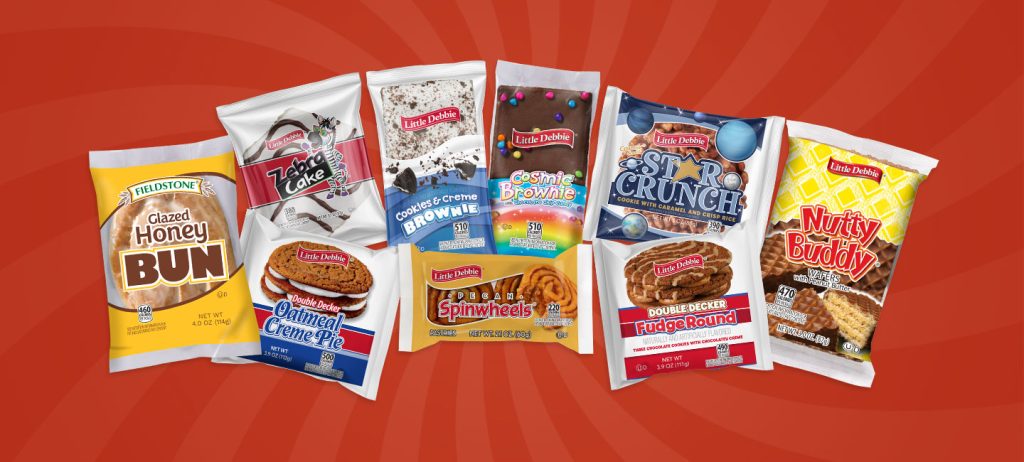
The Great Food Deception: Betrayed By Big Cereal
The legacy of Kellogg and the Seventh-day Adventists has cast a long shadow over our revolting eating habits. We all remember scarfing down honey-nut Cheerios, fruit loops, or frosted cornflakes growing up. Doesn’t it make you throw up knowing we were naively fed processed corn, sugar, and additives?
The Seventh-day Adventists, with their well-intentioned but misguided crusade against meat, laid the groundwork. Their emphasis on plant-based foods and avoiding meat inadvertently created a food industry dominated by highly processed foods devoid of nutrients.
Adventist, John Harvey Kellogg became obsessed with using bland, tasteless foods to curb sexual desire, a belief rooted in his religious convictions. His obsession gave birth to a monster: the cereal industry. Kellogg’s, a name synonymous with breakfast, is the poster child for this nutritional nightmare.
Subsequent decades witnessed a growing fear of saturated fat, largely driven by concerns about heart disease. This led to a widespread demonization of animal-based foods, including meat and dairy. Fake food like margarine became the norm, while real food— like meat, fish, eggs, and nuts – has been sidelined as the dietary equivalent of a supervillain.
The irony is that while protein was being vilified, the food industry was perfecting the art of drowning us in a sea of sugary cereals, salty snacks, and flavor-blasted everything. These foods, often disguised as health foods, are laden with added sugars, unhealthy fats, and artificial ingredients. They spike your blood sugar, mess up your hormones and gut microbiome, and leave you chronically inflamed.
Designed to be addictive, you become hooked on a cycle of poor health.
The result is a population grappling with obesity, diabetes, and other chronic diseases while simultaneously being bombarded with messages about the benefits of plant-based diets and the dangers of animal protein. It’s a mournful, complex interplay of historical, cultural, and commercial factors that has led us to this point.
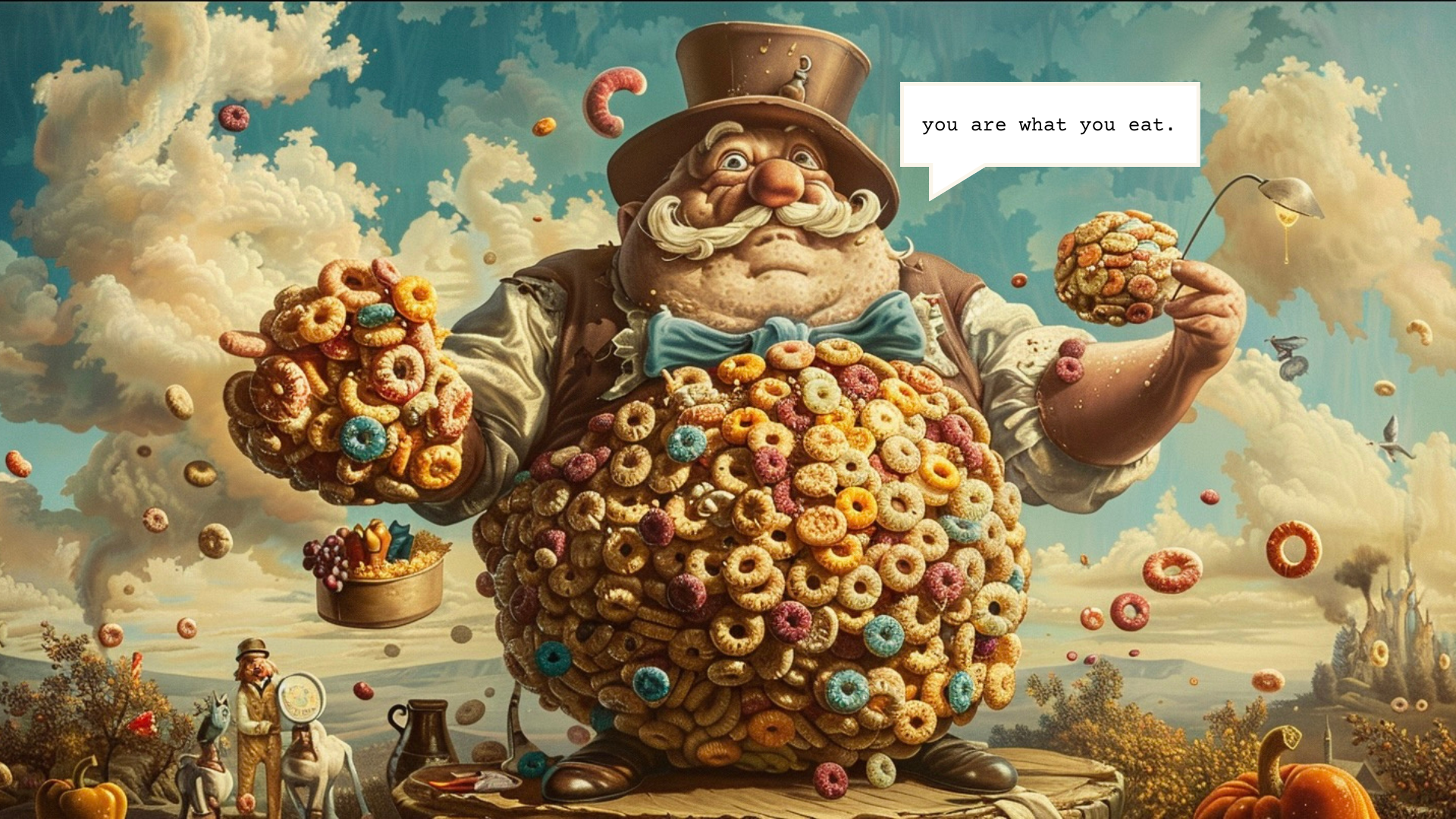
Plant Based: Yay or Nay?
Plant-based diets are awesome when done right (I have many vegan friends!), but some vegans go overboard. With black-and-white thinking, they paint meat as pure evil, ignoring the fact that many people can’t thrive on a vegan diet.
The diet shifted to a movement that uses fear-mongering over facts in the guise of ‘saving the animals and the planet’ while neglecting the overall health of our human race. They seem to have forgotten about their own humankind while putting animals first ( I love animals btw, but that’s a different argument).
I mean, we can’t save the world until we save ourselves.
And isn’t it obvious that there is no one-size-fits-all solution?
A healthy, sustainable vegan diet is achievable but requires meticulous attention to detail, which may only be reserved for the privileged.
🧐 I tried veganism while staying open-minded and consuming content from all sides. Through experimentation, I discovered eating meat made me feel and perform better overall— and look better. 💪🏼 We are clearly pro-omnivores here, but if a plant-based diet works for you, you do you, babe! No judgment because you’re on your own journey. 🫶🏼
The Blue Zones As Propaganda
In the longevity community, there is a belief that being vegan is the key to longevity. The Blue Zones is a common argument popularized by vegan Dan Buettner. Googling spreads deceitful information such as “the diet is mostly plant-based. The daily food intake of people living in Blue Zones is about 95% vegetables, fruits, grains, and legumes.”
False.
When you look closely, it’s not just diet that contributes to a long life but strong social connections, passion, and purpose. I recommended the documentary on Netflix, ‘Live to 100: Secrets of the Blue Zones’.
In an interview with Dr. Mark Hyman Buettner, he states, “In all honesty, Blue Zones did eat meat… But it was infrequent and often as a condiment…. We made the decision to stay 100% plant-based within the Blue Zone family.”
He basically decided to create a diet that fits his vegan agenda. In his book, he also excluded places with high meat consumption that are also Blue Zones, such as:
- Hong Kong boasts the world’s longest-lived population for the second year in a row, solidifying its status as the leading Blue Zone. Men enjoy an average lifespan of 81.3 years, while women typically live to 87.3 years. Hong Kong residents demonstrate remarkable longevity and health, with an average daily meat consumption of 664 grams (1.5 lbs).
- In 2019, Iceland’s life expectancy reached 81.0 years for men and 84.2 years for women. The Icelandic diet is centered around hearty breakfasts enjoyed at home, featuring fresh seafood and premium meat and dairy products.
Let’s not forget: the Blue Zone lifestyle includes living at a relaxed pace, reducing stress, engaging in activities like walking and gardening, smoking less, and fostering a strong sense of community, with a genetic component at play.
Observational studies reveal a loose correlation between meat consumption and poorer health in the US, while this association is not observed in international research.
We must also consider the cultural context. In many countries, meat is part of a balanced diet and is associated with good health. Even in Sardian (a Blue Zone), this video shows people eating a diet rich in goat, dairy, olive oil, and fresh foods.
Overseas, people enjoy meat along with a healthy diet and have healthier, less sedentary lives— along with a more collective mindset (community).
In the Americas, because we’ve been told meat (especially red meat) is terrible for us, those who eat it often are more likely to have unhealthy habits, such as consuming fast food, smoking, drinking soda, and eating candy.
This is disastrous, especially coupled with the lack of movement, as public transportation in some countries, such as Asia and Europe, is far superior to North America’s.
The Circle of Life: Honoring The Kill
In many cultures around the world, there exists a profound respect for animals and their role in sustaining human life. This reverence is manifested in culinary traditions that emphasize the utilization of every part of the animal.
In contrast, the Western diet has largely abandoned nose-to-tail eating. This shift away from whole animal utilization is due to various factors, including industrial agriculture, convenience, and a lack of culinary knowledge. We throw away some of the most precious parts, including organ meats, bones, blood, and hooves, that are rich in nutrients.
Eating meat is NOT bad for your health.
But eating too much meat along with your other bad habits will be detrimental to your health.
Let’s all learn to think critically.
Most studies criticizing meat like this one frequently involve subjects who smoke, drink excessively, consume high amounts of sugar and processed foods, have minimal intake of fruits and vegetables, and lead sedentary lifestyles. They definitely aren’t eating moderate amounts of grass-fed or organic meat, along with a pile of colorful fruits and veggies. They’re probably eating low-quality meat paired with refined carbs and ultra-processed foods, seed oils— and negative mindsets! 🤮
No wonder the average person is taught to think that meat is bad for us.
Nuance and context matter.
Furthermore, many studies pitting meat-eaters against non-meat eaters overlook a critical detail: the type of meat consumed. The majority of research focuses on industrially raised, factory-farmed meat packed with hormones, antibiotics, and pesticides. These meats are loaded with inflammatory omega-6 fats and depleted of beneficial omega-3s. These studies completely ignore the health benefits of grass-fed meat, free from hormones, pesticides, and antibiotics.
Eating protein with vegetables and avoiding industrial meat and agricultural products is important for longevity. Grass-fed and regeneratively raised meat and regenerative fish have higher levels of omega-3 fats, minerals, and antioxidants.
Who had the audacity to let these people design these studies? Probably big food… or a plant-based agenda.
Remember, there’s not ONE thing that will kill us but MANY.
Meat on its own isn’t the enemy.
Stop using it as a scapegoat for the rest of our bad habits!
A study of 11,000 people found that both health-conscious omnivores (57%) and vegetarians (43%) had their risk for death reduced by half. This shows that both diets work when done right and combined with other healthy habits.
So let’s stop fighting, friends. 🤓
The bottom line is that not all meat is created equal. Focus on quality, not quantity, and don’t let scare tactics dictate your plate.
Obviously, excessive consumption of processed meats may pose health risks. Moderate intake of high-quality, grass-fed meat, along with factors such as overall dietary pattern, lifestyle, and individual health, can be part of a healthy diet.
It’s time to wake up and smell the coffee (black, no sugar).
We must reclaim our health by prioritizing whole, unprocessed foods, including plenty of protein. Let’s stop being victims of the food industry and start taking control of our diets.
🎁 Bonus Protein Tips
- For optimal muscle protein synthesis, breakfast is the best time to consume more protein, around 50 grams. It’ll help regulate blood sugar, suppress appetite, rev up metabolism, and protect skeletal muscle, setting you up to not be hungry and feel better by the second meal.
- Optimize dietary protein intake by aiming for at least 30 grams of protein in each meal for muscle protein synthesis, with the first and last meals containing at least 50 grams of protein.
- Every meal should be built around a fist-sized portion of lean protein.
- Protein quality is determined by digestibility, rate of digestion and absorption, and amino acid composition. Plant-based proteins are often deficient in essential amino acids.
- Consuming a large amount of protein in a short period allows one to measure amino acids in the body over several hours.
- Protein source matters. A study found that a meat-based meal led to a significant increase in muscle protein synthesis compared to a vegan meal due to the higher circulating amino acids in the meat-based meal. Plant-based proteins have reduced digestibility and bioavailability compared to animal-based proteins, leading to the recommendation of consuming more protein on a vegan diet to meet nutritional requirements.
- Individuals should consume a higher amount of protein in their earlier meals, around 50 grams, and if they prefer a smaller second meal, they can increase the protein intake in their dinner meal to around 55 grams. The typical American breakfast with less than 10 grams of protein and high carb content is detrimental to health.
Want to learn more about Protein?
Bonus: This article not only provides the low-down on protein but also explains how to eliminate cravings, snacking, and late-night binging forever.
→ Breaking free from the high-carb breakfast narrative.
→ A mindset shift to make protein your priority.
→ The low-down on amino acids (hint: it’s not really about protein but the quality of amino acids you’re consuming).
→ Muscle-protein synthesis. Super important to maximize protein utilization in your body.
→ A quick lesson on MTOR.
→ Understanding the catabolic state.
→ The proper way to “break your fast”.
→ Protein timing.
→ Recommended protein guidelines.