
What is Cycle-Syncing
For too long, women’s health has been overlooked and misunderstood. But a new movement is emerging, one that empowers women to harness their natural cycles and optimize their well-being: cycle syncing.
Cycle syncing is the practice of aligning one’s lifestyle with one’s menstrual cycle. By understanding the monthly hormonal fluctuations, women can optimize their energy levels, mood, and overall well-being.
📌 Today, you will learn:
→ What is Cycle Syncing?
→ Why It Matters.
→ How To Cycle Sync
Why Cycle Syncing Matters
By aligning your lifestyle with your natural hormonal fluctuations, you can:
- Boost Energy Levels: Time your workouts and nutrition to maximize performance and minimize fatigue.
- Enhance Mood: Navigate emotional shifts with grace and ease.
- Optimize Productivity: Work smarter, not harder, by leveraging your peak cognitive abilities.
- Improve Sleep Quality: Create restful nights tailored to your body’s needs.
The Science Behind the Cycle
The menstrual cycle is a complex interplay of hormones that influences various bodily functions. The four primary phases are:
- Menstruation: The shedding of the uterine lining.
- Follicular Phase: The maturation of an egg in the ovary.
- Ovulation: The release of the egg from the ovary.
- Luteal Phase: The thickening of the uterine lining in preparation for potential pregnancy.
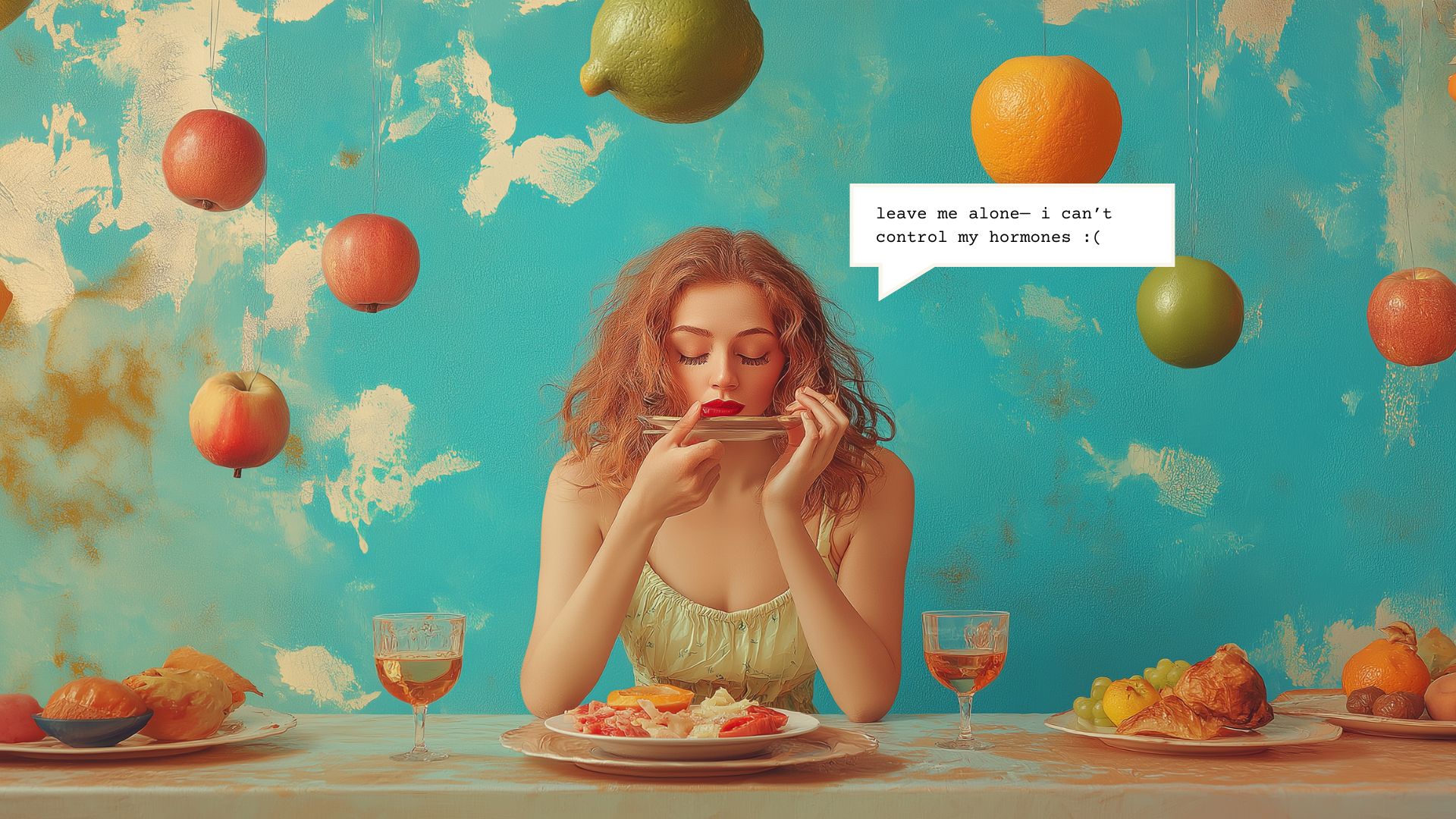
From Bitch to Balanced: Why Women Need To Cycle-Sync
Don’t ever let anyone call you a bitch again.
It’s not your fault you cannot handle your moods. But it is your responsibility to control it because no one will do it for you. 🫶🏼
Read on to learn more…
Are your periods inconsistent, late, or they don’t even happen?
This is not normal.
Irregular cycles are often dismissed, but they can indicate underlying health issues. A consistent menstrual cycle is a vital indicator of optimal female health.
We’re not here to scare you but to empower you! Unlike other wellness “trends,” we can’t deny that women’s bodies change, as our hormonal fluctuations are real.
Studies confirm it: the naturally occurring menstrual cycle directly impacts energy levels, mood, and stress.
It’s not rocket science, but it’s often overlooked.
Understanding your menstrual cycle and aligning your lifestyle with its phases will unlock your body’s full potential.
Your menstrual cycle is more than just a monthly occurrence; it’s a complex interplay of hormones that significantly impacts your energy levels, mood, and overall well-being.
Women struggle to thrive in a 24-hour circadian society with our 28-day moon cycles.
No wonder we are called bitches, moody, and overbearing. But it’s not our fault; it’s a hormonal rollercoaster that a patriarchal society often ignores.
Now, to make it clear, we are not raging feminists here, and we know men face many problems, too, but this article is for the Queens.
A study in gynecology reveals that a staggering 25% of women face irregular periods. This can disrupt our cycles, making them unpredictable and often inconvenient. Research from the National Library of Medicine highlights the strong link between hormones and our mental, emotional, and sensory health. This means that hormone changes can significantly impact our mood, feelings, and perception of the world around us.
Recognizing this connection is crucial for optimizing women’s health and empowering us to take control of our bodies.
Ladies, let’s take back control of our bodies and our lives.
Could Cycle Syncing Be The Key?
By aligning our lifestyle, including fasting and nutrition, with our menstrual cycle, we can harness its power and experience optimal health and vitality.
Unlike men, women’s bodies are far more complex. Our hormones fluctuate throughout the month, influencing everything from energy levels to mood.
A one-size-fits-all approach to fasting and nutrition won’t work.
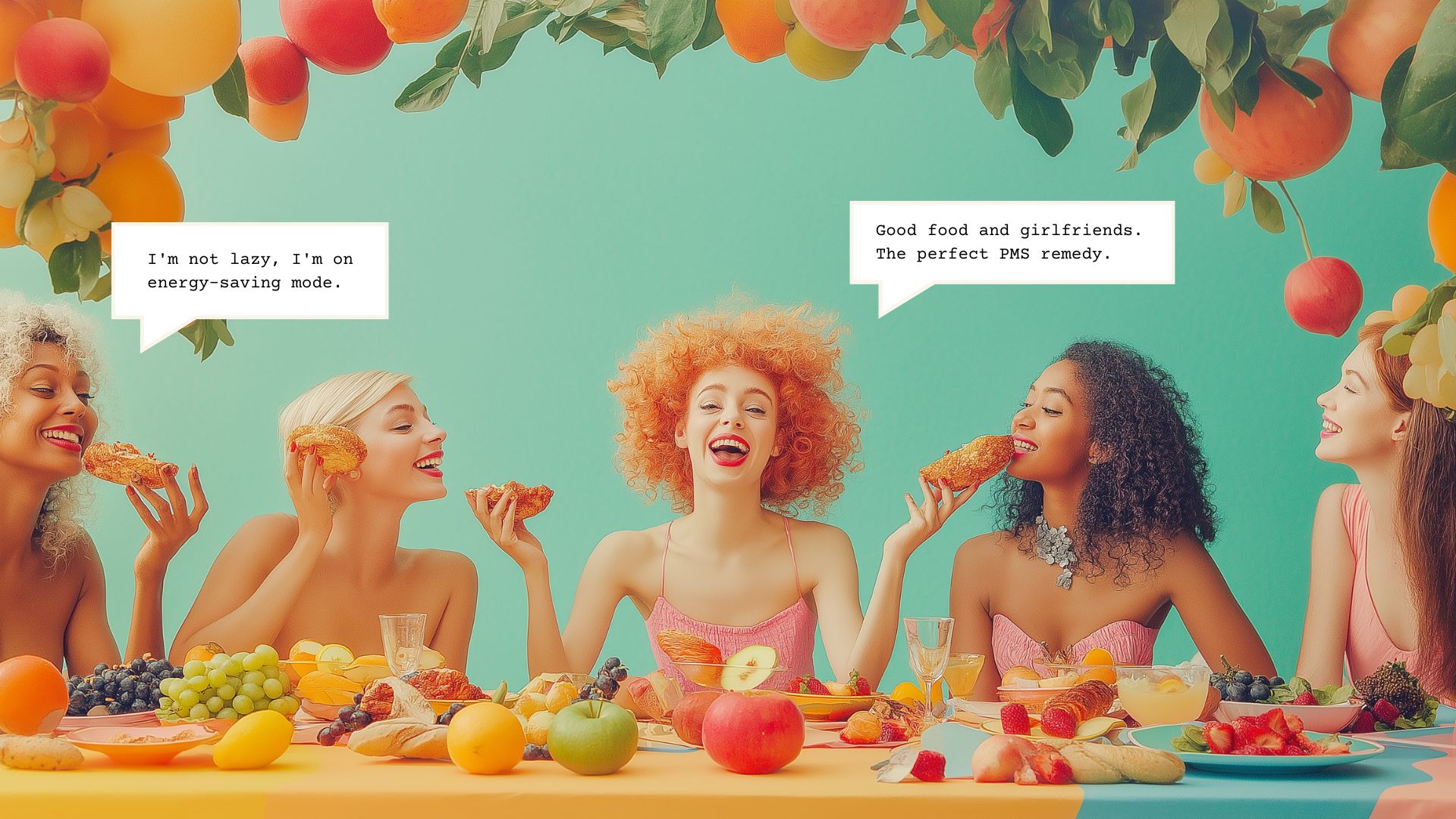
🔥 Ladies, Level Up Your Lifestyle: A Monthly Guide To Cycle Syncing
Let’s dig deep into the details and discover how to harness the power of your cycle.
📌 Menstrual Phase (Days 1-7)
- Hormonal Changes: Estrogen and progesterone levels are low.
- Nutritional Needs: Prioritize iron-rich foods (e.g., leafy greens, lean red meat, lentils) to replenish blood loss. Include vitamin C-rich foods (citrus fruits, berries) to enhance iron absorption.
- Fasting: Opt for gentle fasting methods like time-restricted eating or shorter fasting windows to avoid feeling depleted.
- Fitness: As estrogen and progesterone are low, you might feel lethargic.
- Focus: Rest and recovery.
- Workout: Gentle yoga, Pilates, or walking.
- Intensity: Low-intensity, restorative exercises.
📌 Follicular Phase (Days 8-14)
- Hormonal Changes: Estrogen levels rise, stimulating the growth of follicles in the ovaries.
- Nutritional Needs: Focus on complex carbohydrates (whole grains, sweet potatoes) for energy, lean protein for muscle repair, and healthy fats (avocado, nuts, seeds) for hormone balance.
- Fasting: This phase is suitable for intermittent fasting, as estrogen can help regulate blood sugar and insulin sensitivity. Consider a 16/8 or 12/12 fasting pattern.
- Fitness: As estrogen and progesterone increase, you might feel more energetic and have a higher pain tolerance.
- Focus: Build strength and endurance.
- Workout: Weightlifting, HIIT, or cycling.
- Intensity: Moderate to high-intensity workouts.
📌 Ovulatory Phase (Days 15-21)
- Hormonal Changes: Estrogen peaks, triggering ovulation.
- Nutritional Needs: Continue consuming nutrient-dense foods to support energy levels and hormonal balance. Consider incorporating B-vitamin-rich foods (whole grains, legumes) for energy production.
- Fasting: Maintain a moderate fasting approach, such as 14/10, to avoid excessive stress on the body during this phase.
- Fitness: You might feel extra alert and ready to move, and intense exercise might feel more manageable. However, you might experience abdominal pain, so you can take it easy if needed and listen to your body.
- Focus: Maintain strength and endurance.
- Workout: Continue with the same workout routine as the follicular phase.
- Intensity: Moderate to high-intensity workouts.
📌 Luteal Phase (Days 22-28)
- Hormonal Changes: Progesterone levels rise, preparing the uterus for potential pregnancy.
- Nutritional Needs: Prioritize complex carbohydrates, lean protein, and healthy fats to support hormone balance and mood regulation. Magnesium-rich foods (dark leafy greens, nuts, seeds) can help alleviate PMS symptoms.
- Fasting: Reduce fasting intensity or consider skipping fasting altogether, especially if you experience PMS symptoms. Opt for gentle dietary approaches like mindful eating and avoiding processed foods.
- Fitness: You might start to lose steam and take longer to recover from a workout. You might also experience PMS symptoms, like breast pain or cramps, which can make certain types of exercise uncomfortable. Try longer, more steady-state training, like walking or hiking.
- Focus: Flexibility and stress relief.
- Workout: Yoga, Pilates, hiking, zone 2 running, or swimming.
- Intensity: Low to moderate-intensity workouts.
Additional Tips:
- Hydration: Drink plenty of water throughout the day, especially during fasting periods.
- Mindful Eating: Practice mindful eating, savouring each bite and paying attention to your body’s hunger and fullness cues.
- Stress Management: Incorporate stress-reducing techniques like yoga, meditation, or deep breathing.
- Consult a Healthcare Professional: If you have any underlying health conditions or concerns about fasting or nutrition, consult a healthcare professional.
Lifehack: Track Your Cycle with an App
Consider using a period tracking app to truly understand and optimize your cycle. These apps can help you:
- Monitor Your Cycle: Track your period, ovulation, and fertile window.
- Identify Patterns: Recognize patterns in your cycle, such as fluctuations in mood, energy levels, and physical symptoms.
- Tailor Your Lifestyle: Based on your cycle phase, receive personalized recommendations for diet, exercise, and stress management.
- Set Reminders: Receive timely reminders for important dates, such as your period start date or ovulation window.
Popular Period Tracking Apps
Don’t Let the Noise Drown Out Your Body’s Wisdom
We know—another wellness trend? Another thing to add to your neverending to-do list?
But cycle syncing isn’t just a trend. It’s a powerful tool for reclaiming your health and happiness.
Don’t let the narrative of ‘the average’ hold you back. To become a peak performer and biohack longevity, you must put in the hard work upfront to create better habits for a better life.
Remember, small steps lead to big changes.
Start by tracking your cycle, paying attention to your energy levels, and making minor adjustments to your diet and exercise routine. Your body will thank you.
While cycle syncing has gained popularity, it’s essential to acknowledge the limitations of scientific research in this area. Historically, women’s health has been understudied, and many studies have focused on male subjects. This lack of research can make it difficult to draw definitive conclusions about the effectiveness of cycle syncing.
However, it’s worth considering that the underrepresentation of women in scientific research may be due to systemic biases and a lack of funding. By recognizing the importance of women’s health and investing in research, we can better understand how hormonal fluctuations impact our well-being.
A Holistic Approach to Women’s Health
While more research is needed to validate the benefits of cycle syncing fully, many women find it a helpful tool for optimizing their health and happiness.
Don’t wait for the medical establishment to catch up. Embrace cycle syncing and start living your best life. Unlock your full potential by understanding your body’s rhythms and making conscious choices.
You have nothing to lose and everything to gain.
Ultimately, cycle syncing empowers women to listen to their bodies and make informed lifestyle choices. By embracing a holistic approach to women’s health, we can work towards a future where women’s unique needs are fully understood and addressed.
⚠️ Disclaimer: Every woman's body is unique, and individual experiences may vary. While cycle syncing can be a powerful tool for optimizing health and well-being, listening to your body and adjusting your approach is essential. Some women may feel amazing during their periods, while others may experience debilitating symptoms. Remember, there's no one-size-fits-all approach to health. What works for one woman may not work for another.

Our goal is to inform, educate, and plant seeds so that you have enough information to make informed decisions about your body and to have productive conversations with your doctors. We want *you* to be the driver of your health journey.

We encourage you to take an active role in your health journey. Use the information provided here as a starting point to have informed conversations with your doctor. Together, you can create a personalized plan that supports your unique needs.